
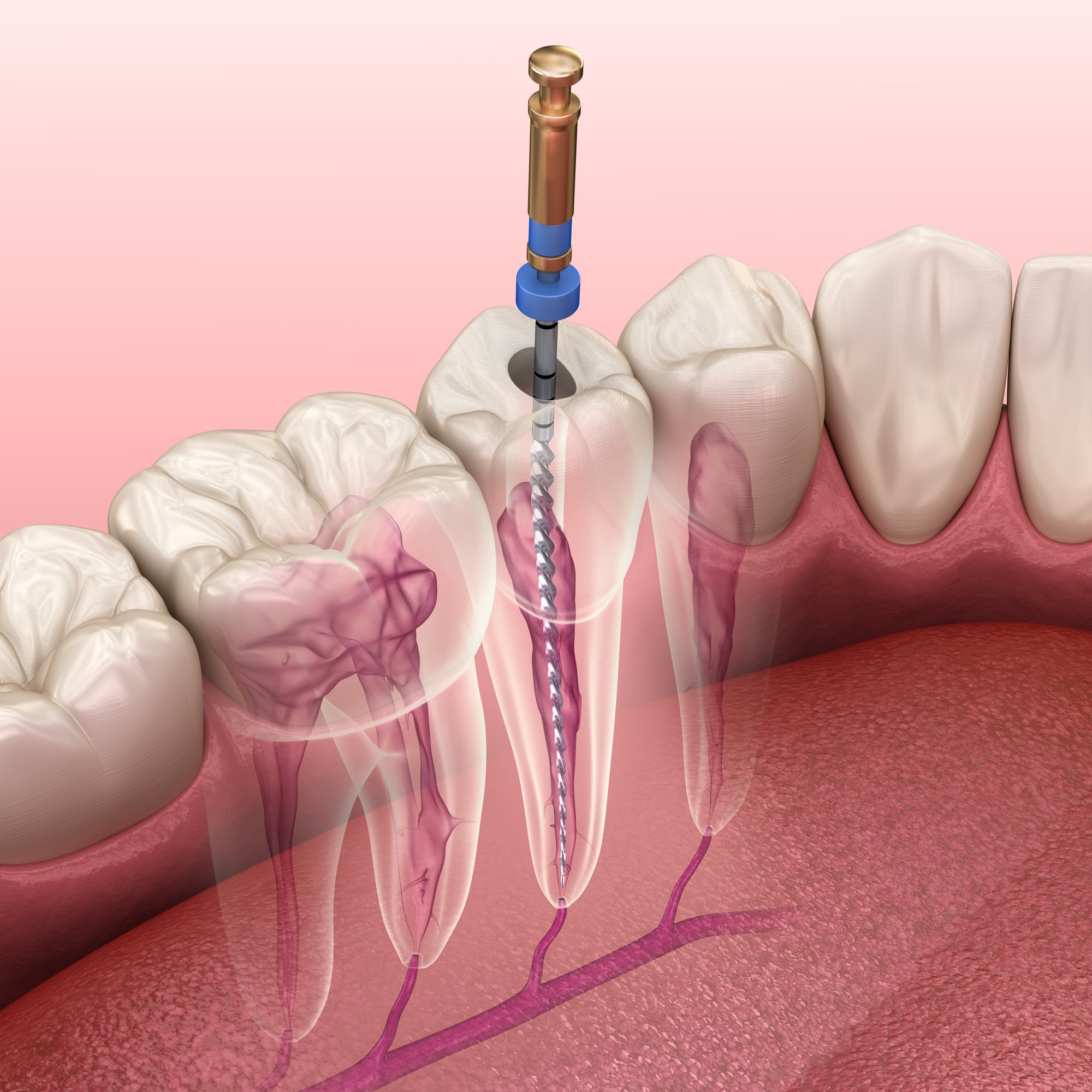
A damaged tooth can often be saved with a root canal, depending on the type of damage.
Cracked, broken, or badly decayed a tooth and wondering whether it is beyond help? Often it is not. A damaged tooth can frequently be saved with a root canal, which treats the injured pulp inside while leaving the natural tooth in place. A root canal removes inflamed or infected pulp, then cleans, fills, and seals the space inside the tooth. What determines the outcome is the kind of damage and how far it extends. Many teeth that look hopeless from the outside turn out to be very treatable. The reverse is also true, which is why an exam matters more than appearances.
Key Takeaways
- A root canal treats the pulp inside a tooth, letting the natural tooth stay.
- Cracks, deep decay, breaks, and trauma can all damage the pulp.
- Whether a tooth can be saved depends on how far the damage extends.
- Damage that reaches below the gumline is the hardest to treat successfully.
- A crown usually follows to protect the tooth from breaking later.
- Key Takeaways
- What Kinds of Damage Can a Root Canal Address?
- What Happens With a Cracked Tooth?
- What About a Tooth That Has Broken?
- Can a Dead or Discolored Tooth Be Treated?
- What Determines Whether It Works?
- Frequently Asked Questions
- Preserving the Tooth You Have
What Kinds of Damage Can a Root Canal Address?
The common thread is the pulp. Deep decay that reaches the nerve, a crack that extends into the pulp chamber, a fracture from trauma, and repeated dental work on the same tooth can all inflame or infect the tissue inside. Once that happens, the pulp does not recover on its own, and the tooth needs treatment. A root canal removes the damaged tissue and seals the space so bacteria cannot return. The outer tooth structure stays, which is what makes this a tooth-saving treatment rather than a replacement one. Keeping your own tooth also preserves the surrounding bone and keeps neighboring teeth from shifting, benefits that no replacement fully matches.
What Happens With a Cracked Tooth?
Most cracked teeth can be saved, though it depends on the crack. According to the American Association of Endodontists, cracked teeth cause erratic pain when chewing, sometimes on release of biting pressure, or pain with temperature extremes. When people ask whether a cracked tooth can be saved, the answer turns on how deep the crack runs. A crack confined to the crown is usually treatable with a root canal and a crown afterward. One that extends below the gumline into the root is far harder to restore and may not be salvageable. Because cracks are often invisible on an X-ray, the pattern of your symptoms becomes an important diagnostic clue. Pain that appears when you release a bite is particularly telling.
What About a Tooth That Has Broken?
Breaks follow similar logic. When patients wonder if a broken tooth can be saved, the key questions are how much tooth structure remains above the gumline and whether the pulp is exposed. A tooth that has lost a cusp but retains solid structure can often be treated and crowned. If the break extends deep below the gum, there may not be enough healthy tooth left for a crown to grip. In borderline cases, crown lengthening can sometimes expose enough structure to make restoration possible. A post placed inside the treated root can also add retention when the remaining tooth is minimal. These options widen what can be saved.
Can a Dead or Discolored Tooth Be Treated?
A darkened tooth often signals that the pulp has died, usually from an old injury or long-standing decay. That tooth is not necessarily lost. A root canal removes the dead tissue, stops the infection from spreading into the bone, and preserves the tooth. Internal bleaching or a crown can then address the discoloration afterward. Many people are surprised to learn a tooth that changed color years ago can still be treated and kept. A dead tooth does not always hurt, which is exactly why it gets ignored, but the infection can continue spreading silently into the surrounding bone.
What Determines Whether It Works?
Three factors carry the most weight: the extent of the damage, the amount of healthy structure remaining, and the condition of the bone and gum supporting the tooth. Timing matters as well, since damage tends to progress and options narrow the longer treatment waits. Imaging, often including a 3D scan, shows what is happening below the surface that an exam alone cannot reveal. When enough sound structure remains, and the supporting bone is healthy, success rates for root canal treatment are high, and treated teeth commonly last for decades with proper restoration afterward.
Frequently Asked Questions
Does a root canal fix the visible damage too?
Not by itself. The root canal treats the inside of the tooth, and a crown or filling afterward restores the shape, strength, and appearance.
How do I know if the pulp is damaged?
Lingering pain, sensitivity to hot or cold that does not fade, pain on biting, swelling, or a darkening tooth are common signs. Testing and imaging confirm it.
Can every damaged tooth be saved?
No. Cracks or breaks that extend well below the gumline, or teeth with severe bone loss, may not be restorable. An exam determines what is realistic.
Preserving the Tooth You Have
A damaged tooth is often more salvageable than it looks from the outside. Cracks, breaks, deep decay, and even teeth that have darkened over the years can frequently be treated and kept. A root canal addresses the pulp so the natural tooth can stay in place, with a crown afterward providing the strength it needs. How deep the damage runs, rather than how bad it looks, is what ultimately decides the outcome.
- If you want to learn more about saving a damaged tooth, visit our Root Canal in Valencia, CA, page or schedule a consultation.